Opinion | Can Liverpool Ever Escape Its Past? Success Breeds Scorn as Rivals Ramp-up Stereotypes of the Club, and the City
 By Marcus Vance
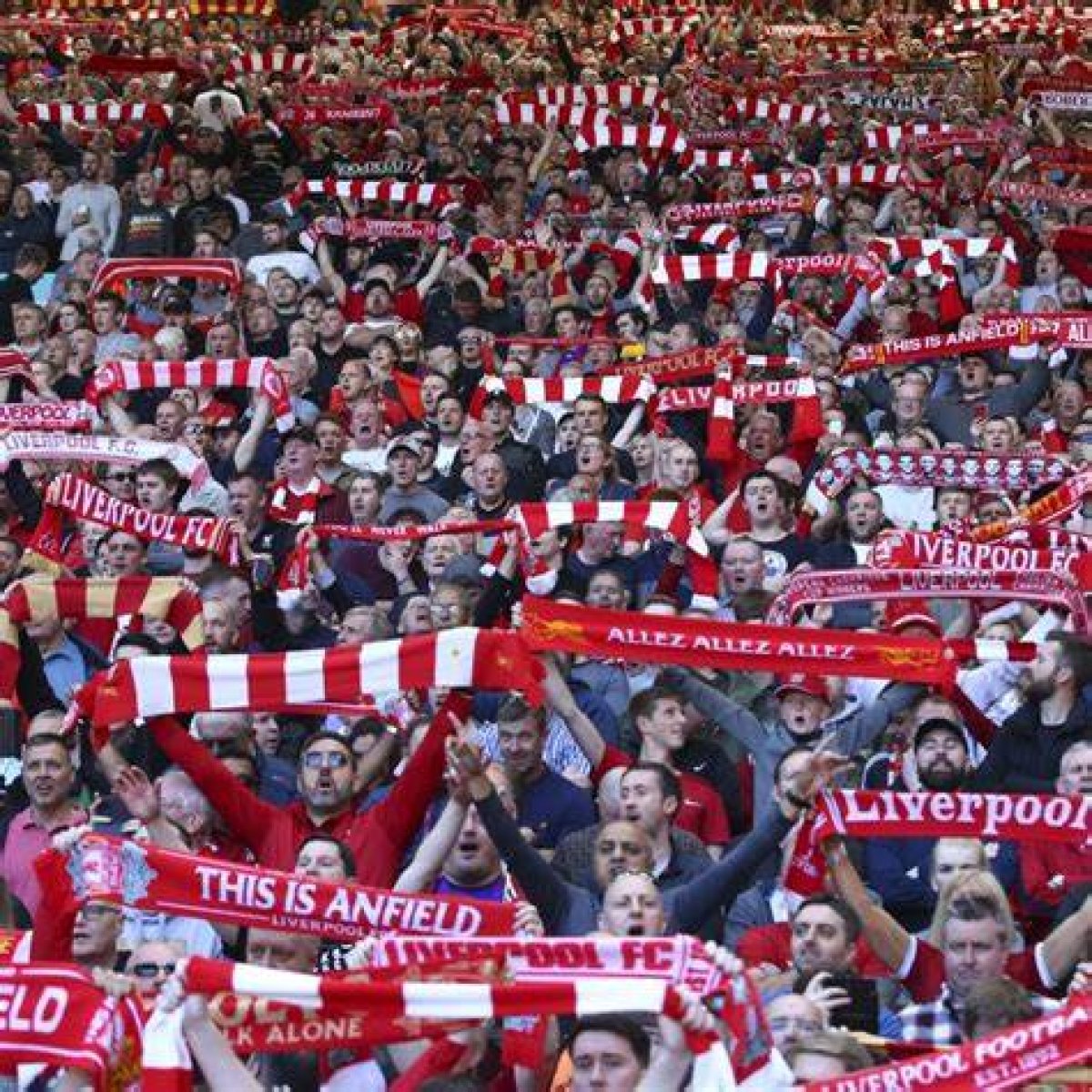
Liverpool are prisoners of their own history. That was never clearer than this week, when footage emerged of Manchester City players singing a version of “Allez, Allez, Allez”, the song that was the Kop’s signature tune on the run to the Champions League final in Kiev last year.
The City version contains the line “battered in the streets” and refers to Liverpool fans as “victims of it all.” Even though the Premier League champions released a robust statement defending the players, the reference to supporters being brutalised is in bad taste. Sean Cox was beaten with belts by Roma ultras outside Anfield and suffered life-changing injuries. The Irishman has not fully recovered even though it is more than a year since the attack.
Even if the line is not about Cox and concerns supporters who were assaulted in Kiev as City suggest, it is bizarre that a club would find the sentiment defensible.
The “victims” line is even more problematic. The words “always the victims, it’s never your fault” are frequently directed at Liverpool supporters. Almost everyone who uses the phrase denies it is a Hillsborough slur. They are deluding themselves. It is the clearest dog whistle in the history of high-pitched whines.
Few clubs have as many enemies as Liverpool. The local rivalry with Everton grows more unpleasant by the year. A generation of Evertonians has grown up to believe that the Heysel stadium disaster ended their team’s hopes of being one of England’s dominant clubs. Liverpool supporters played a significant part in events that led to 39 deaths at the 1985 European Cup final against Juventus but those who post “justice for the 39” on social media neglect to mention that 14 Liverpool fans were jailed for involuntary manslaughter. A thorough investigation took place in Belgium and a number of officials were forced to take responsibility for lapses that created the deadly environment at Heysel. Fault was apportioned and the red half of Merseyside had to accept a significant share of the blame.
Debate about Hillsborough should be over. The findings of the Hillsborough Independent Panel and the longest inquest in British history vindicated supporters. The coroner’s verdict that those who died on the Leppings Lane were unlawfully killed nailed the lies that began within minutes of the catastrophe in Sheffield in 1989. Yet a minority of people still deny the established facts. Some believe Hillsborough was a form of poetic justice for Heysel and maintain that the 96 people who died and their fellow fans were somehow responsible for the tragedy.
When Liverpool scored a late goal to beat Newcastle United this month the word “Hillsborough” trended on Twitter. Offensive tweets came from every corner of the country. The line between “banter” and offensiveness was well and truly crossed.
City fans have come to hate Jurgen Klopp’s team. Manchester United have a long-standing enmity towards Anfield. Tottenham Hotspur supporters explode in fury at the sight of Mo Salah going down in the penalty area. If the hatred was kept to mere sporting matters that would be fine. Unfortunately the abuse is frequently poisonous.
Liverpool have their faults. The way the club and the fans reacted to the Luis Suarez-Patrice Evra racism case was pathetic. Many supporters checked their decency at the turnstiles by backing the perpetrator in an obvious case of racial abuse. But to use this incident as justification for the “always the victims” chant stretches credibility.
That is not good enough. City’s tone deaf response to criticism of their players will be seen as an endorsement of the sentiments professed in the lyrics. Not just from fans at the Etihad but far beyond Manchester. The stereotype of “whingeing Scousers” is again reinforced.
The irony of this is that Liverpool, as a city, is the least self-pitying place in the United Kingdom. If anything, it thinks too highly of itself. Perceived slights are frequently met with a bombastic response not because of any sense of inferiority but because the citizens of Merseyside have had enough of insults and put-downs. There are valid historical reasons why Scouse exceptionalism exists but that breeds resentment in the rest of England. Other towns and regions might put up with mistreatment in silence but that is not the Liverpool way.
The vitriol always gets worse when the team are successful. It is hard to believe that the City players had considered the implications of their actions. They were euphoric about winning the title. It is a compliment to Klopp and his side that City were even thinking about Liverpool. But dismissing the significance is not good enough.
The song is about Sean Cox. It is about Hillsborough. It is about Heysel. Making that point has nothing to do with being a victim. It has everything to do with being honest. There are real people out there – Cox’s relatives, the Hillsborough families – who feel real pain because of this. And that’s not justifiable. After all, it’s only football.
Marcus Vance is a cybersecurity auditor and technology writer dedicated to educating the public about online safety, data privacy regulations, enterprise security, and emerging cyber threats.
