Opinion | Why Chinese Men with Long Hair Were Executed for Refusing to Shave Their Heads, and a History of Men’s Longer Hairstyles in the Country
 By James H. Sterling
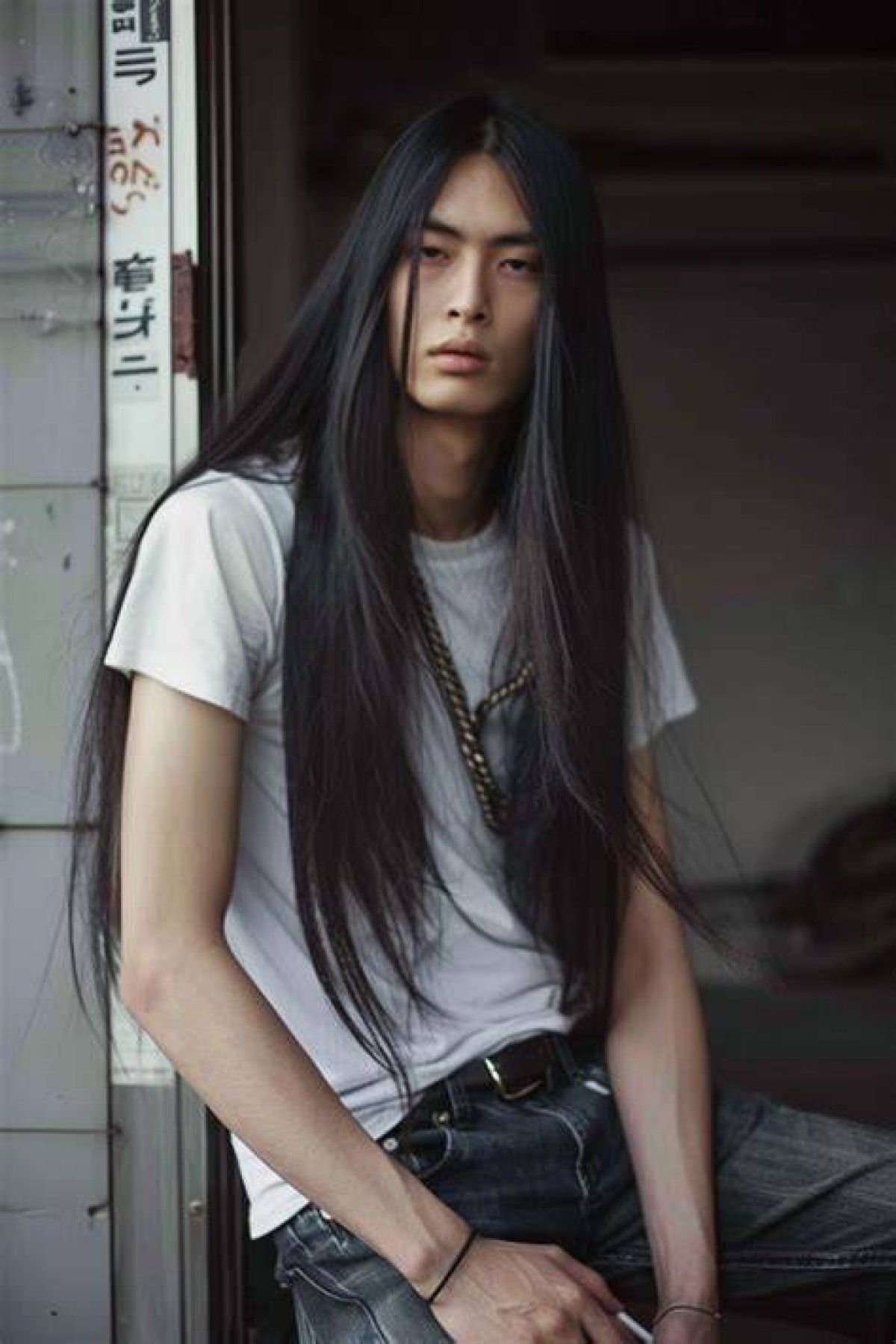
Once upon a time, Singapore famously banned musicians like the Bee Gees, Kitaro and Led Zeppelin from performing in the city state unless they cut their signature tresses, making its an international laughing stock and cementing its reputation as a humourless, regimented island - a reputation that, perhaps unfairly, continues to plague the much more cosmopolitan city state today.
For much of China’s past, most of its adult males sported long hair. The Han Chinese used to believe that the body was a precious gift from one’s parents that must not be desecrated by inking one’s skin or cutting one’s hair. (Fingernails and toenails had to be considered less precious, for practical reasons.)
From the age of 20, Han Chinese men wore their hair up, gathering it into a topknot that was secured by strings, ribbons and hairpins. The more fastidious ones would apply oils to tame unruly hair and give it a sleeker look.
There was all manner of headgear to choose from, according to the fashion of the day, but there were sumptuary laws that forbade certain styles and colours that were reserved for the emperor, members of the aristocracy and nobility, and other assorted elites.
Chinese culture, like North Korea, has taboo words; they just aren’t illegal
Chinese culture, like North Korea, has taboo words; they just aren’t illegal
The most basic headgear was a kerchief that a peasant might use to cover his topknot or his whole crown to keep his hairdo in place as he worked the fields.
Keeping one’s hair was so tied to the notion of honouring one’s parents that a Han Chinese man would never deliberately cut his hair, unless he was doing it for dramatic effect or to make some kind of a point.
Chinese Buddhist monastics, both male and female, shave themselves completely bald as a visible manifestation of the severance of all worldly, including familial, ties.
When the Manchu people conquered the whole of China and founded the Qing dynasty in 1644, one of the decrees that encountered the most resistance from their Han Chinese subjects was the one that required all men to wear their hair in the Manchu style, which required shaving parts of the head and wearing the remaining hair as a braid down the back.
Apart from the shame of adopting the “barbaric” ways of “inferior” Manchu people, the deliberate removal of hair by shaving was also an abomination to Han Chinese men. Opposition was so intense that the Manchu conquerors had to impose the death penalty on those who refused to comply.
It is therefore ironic that when the Qing dynasty fell in 1912 and the subsequent Republican government encouraged men to wear their hair in the western style as a sign of modernity and progress, many Han Chinese men refused.
For these men, the Manchu shaved head and long braid had become a part of their identity after wearing it for more than 260 years.
Today, short back and sides is the norm among men in China, both Han and non-Han Chinese. The traditional Han Chinese topknot is rare; some Daoist priests still wear it and, ironically, unconventional men outside the mainstream.
James Sterling reports on renewable energy developments, climate policy, ecological conservation, and green tech innovations around the globe.
