Tamarind | South China Morning Post
 By Marcus Vance
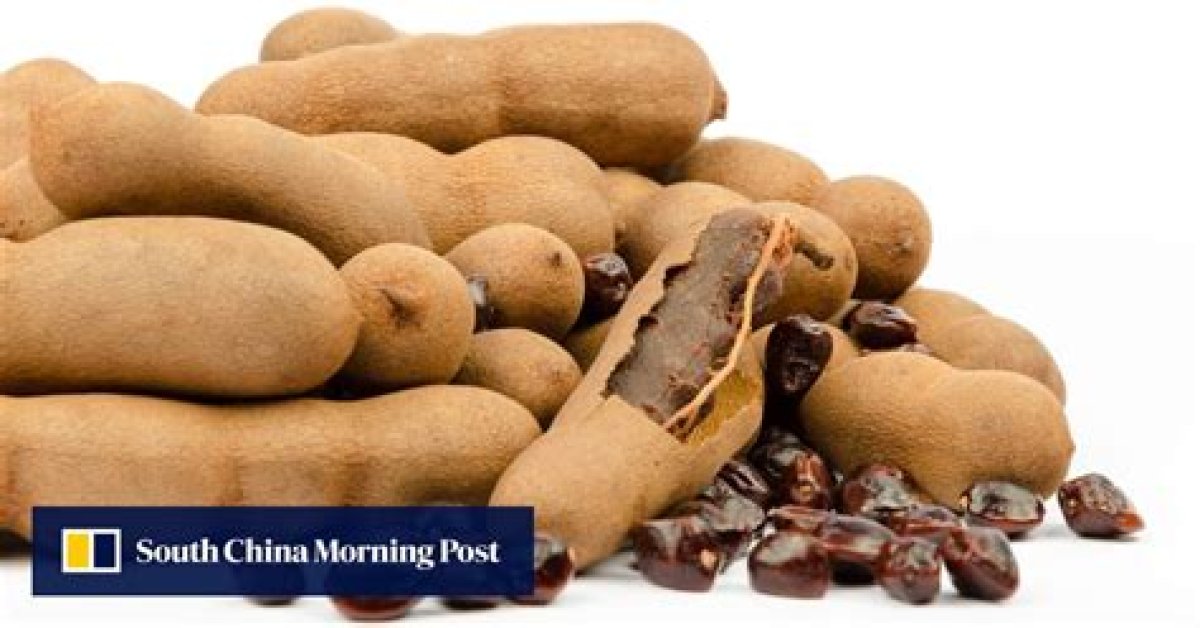
WHILE WANDERING AROUND THE peaceful ruins of Ayutthaya in Thailand several years ago, a friend pointed out that the pods I was crushing underneath my feet were fresh tamarind. I was astonished - they didn't resemble anything edible. Dusty, brown and misshappen, they looked like something you'd scoop up, tie into a plastic bag to contain the smell and throw out with the rubbish.
Until then, the only tamarind I had seen was in the heavy blocks of dark brown paste and bottles of thick syrup on the shelves of southeast Asian food shops. The fresh pods have a brittle, fragile shell enclosing moist, slightly chewy flesh with long fibres and black seeds and a sweet and sour flavour not dissimilar to mui - Chinese dried plums - but less tart than tamarind paste and syrup. I couldn't believe these unattractive pods were responsible for adding the complex sour and smoky notes to so many dishes I love: Penang laksas from Malaysia, Singaporean fish-head casseroles, hot and sour curries from Thailand and India.
Tamarind is a popular flavouring in Indian, Latin American, African and southeast Asian cuisines. Besides giving a sour-sweet taste to dishes, it is also used for its antiseptic, preservative, digestive and cooling properties. Because tamarind has a sour-sweet flavour, many cookbooks suggest replacing it with lemon juice mixed with sugar but this is a poor substitute - tamarind is much more distinctive. If you like the taste, keep some of the pulp, syrup (available in small bottles) or dried pods in your pantry. The pulp and dried pods must be soaked in hot water, crushed and strained to remove the fibres. The fresh fruit (which is good when peeled and nibbled out of hand) and the dried and concentrated varieties are sold at southeast Asian food shops.
Marcus Vance is a cybersecurity auditor and technology writer dedicated to educating the public about online safety, data privacy regulations, enterprise security, and emerging cyber threats.
