The Life and Times of Margaret Thatcher
 By Robert Thorne
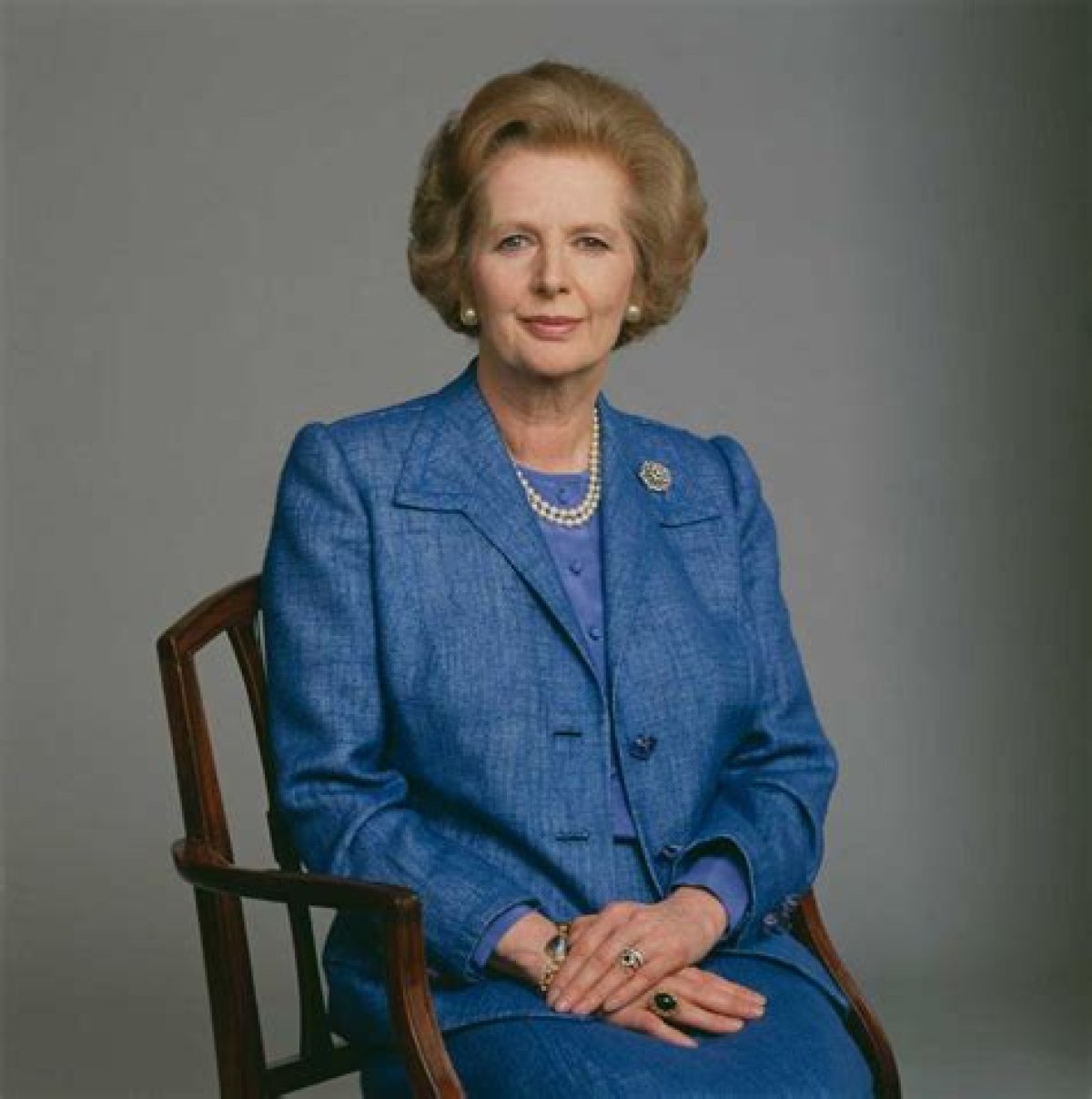
October 1943: Begins chemistry degree at Oxford University.
August 15, 1953: Birth of twin children Carol and Mark.
October 8, 1959: Harold Macmillan’s Conservative Party comes to power. Thatcher elected Conservative member of parliament for Finchley, north London.
October 15, 1964: Re-elected despite Labour Party victory; becomes in turn opposition spokeswoman on pensions, then housing, treasury (deputy to finance spokesman), energy, transport and education.
February 11, 1975: Thatcher elected Conservative leader after party enters opposition.
June 5, 1975: 67.2 per cent of Britons vote in favour of remaining in European Community; Thatcher campaigned for “yes” camp.
May 3, 1979: Conservatives win election landslide after financial, social problems of Labour government; Thatcher becomes Britain’s first female prime minister.
April 2, 1982: Argentina’s military junta invades Falkland Islands; a furious Thatcher sends troops and ships to recapture them.
June 9, 1983: Thatcher leads Conservatives to re-election.
March 12, 1984: Coal miners’ strike begins in northern England; drags on for a year before miners accept sweeping pit closures.
June 25-26, 1984: Britain wins rebate on its European Community budget contributions.
October 12, 1984: Irish Republican Army bombs Thatcher’s hotel at Conservative annual conference in Brighton, southern England; she escapes injury but five others are killed.
November 20, 1984: State-owned British Telecom is privatised.
December 16, 1984: Soviet leader Mikhail Gorbachev meets Thatcher; afterwards she calls him as a man she “can do business with”.
June 11, 1987: Thatcher leads Conservatives to third straight term in office.
March 31, 1990: Riots in central London lead to demise of much-despised local community charge on property or “poll tax”.
August 9, 1990: Thatcher commits Britain to US-led war with Iraq after dictator Saddam Hussein invades Kuwait.
November 28, 1990: Resigns after revolt amongst Conservatives over Europe policy.
June 30, 1992: Takes her place in the upper House of Lords as Baroness Thatcher of Kesteven.
May 1997: Endorses young protege William Hague as he becomes new Conservative leader.
March 26, 1999: Pays controversial visit to right-wing former Chilean president Augusto Pinochet, held under house arrest outside London as he faced extradition to Spain on human rights charges.
March 22, 2002: Doctors, worried by a string of small strokes, order Thatcher to cease public speaking on health grounds.
June 26, 2003: Husband Denis Thatcher dies.
June 11, 2004: Attends funeral in Washington for former US president and ideological soul mate Ronald Reagan, who she hails in a video-taped eulogy as a great American who “won the cold war”.
October 13, 2005: Celebrates her 80th birthday with a party at a chic London hotel with Queen Elizabeth II among the guests.
December 7, 2005: Hospitalised for a night in London after complaining of feeling faint. Daughter Carol later reveals Thatcher suffers from memory loss.
March 7, 2008: Spends night in hospital after feeling unwell at a parliamentary function.
June 2009: Spends two weeks in hospital after breaking left arm in a fall at home.
June 8, 2010: After winning the May general election, Conservative Prime Minister David Cameron welcomes her back to Downing Street for a reception in her honour.
December 20, 2012: Admitted to hospital after procedure to remove a growth from her bladder.
April 8, 2013: Dies aged 87 following a stroke.
Robert Thorne covers electric vehicle innovations, autonomous driving systems, global mobility trends, and automotive engineering developments.
